JOURNAL

Notes on sake

Short pieces from the tasting room — the things guests ask about most.

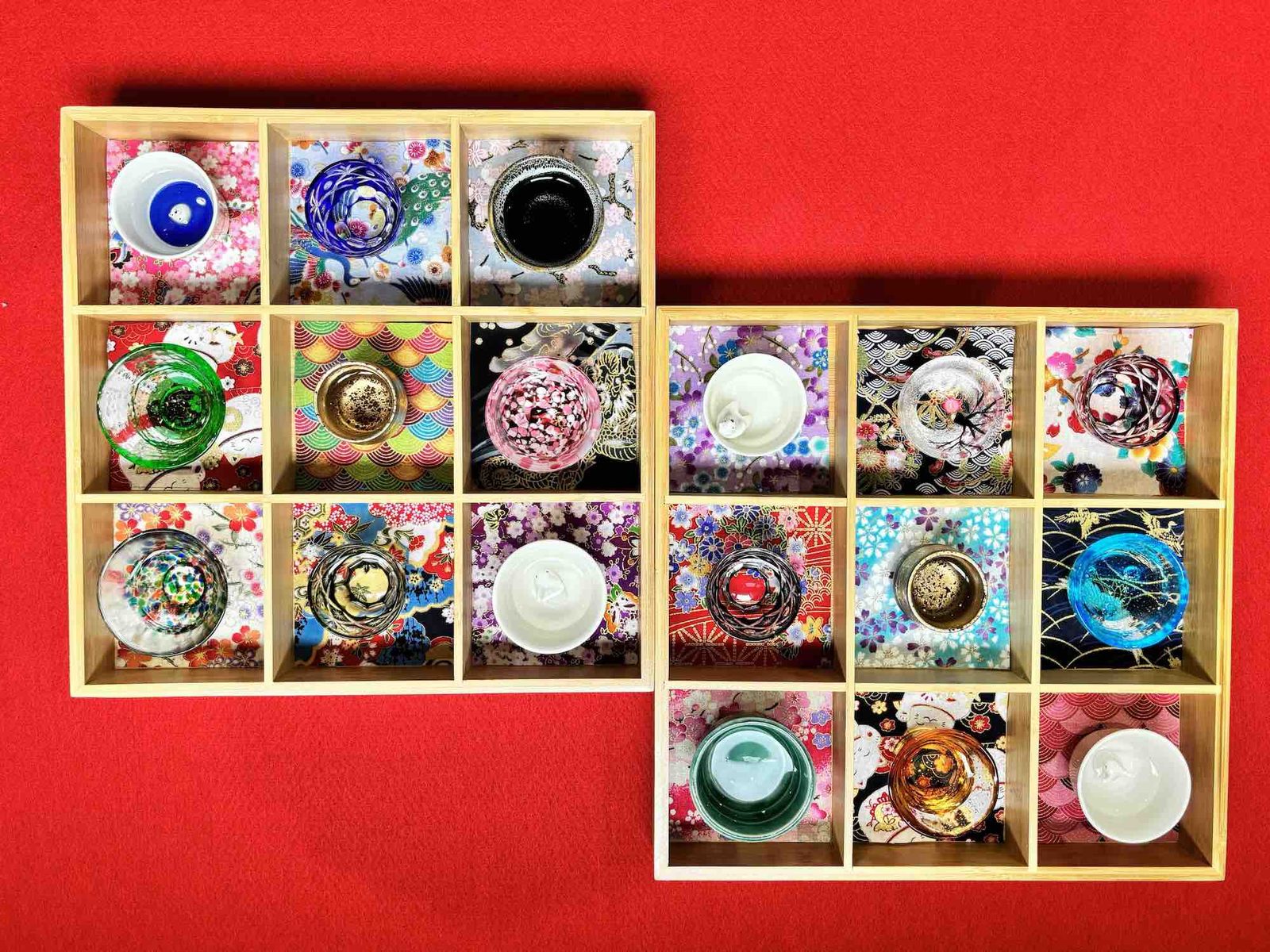
Nine sake cups arranged in a wooden tasting tray

READING THE LABEL

What the front of the bottle tells you

The large characters are usually the brand, not the brewery or the style. The information that predicts how a sake will taste sits in the small print on the back: the rice polishing ratio, whether alcohol was added, and whether it was pasteurised. We start the tasting here, because once you can find those three things, any bottle shop in Japan becomes readable.
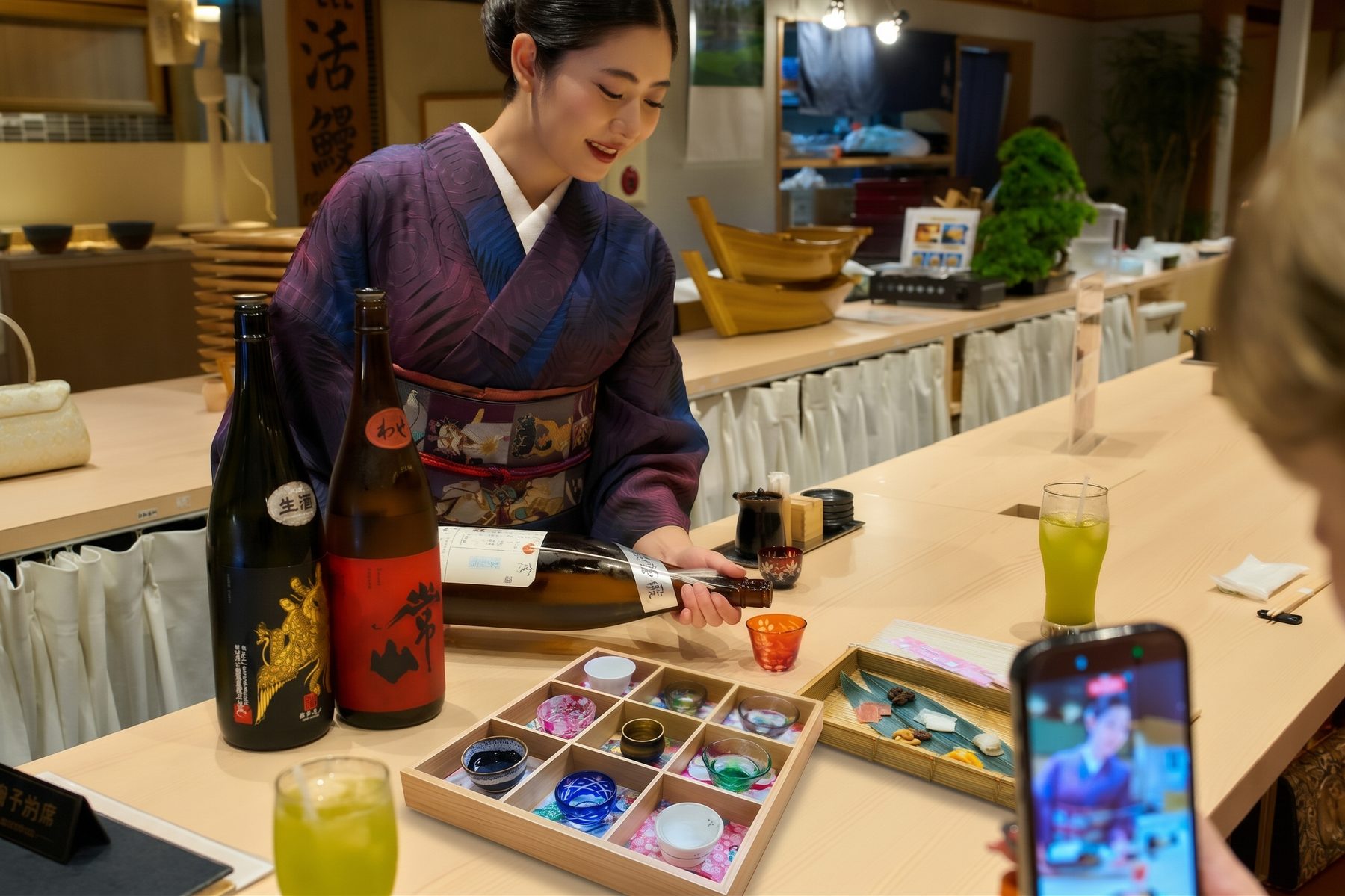
An instructor in kimono pouring sake at the counter

JUNMAI AND GINJO

Why two sake from the same rice taste different

Junmai means rice, water and koji, with nothing added. Ginjo describes how far the rice was polished and how cool the fermentation ran. The two labels answer different questions, which is why a bottle can be both. Tasted side by side, the difference stops being vocabulary: ginjo tends to smell of fruit and flowers, junmai of rice and the savoury side of the grain.

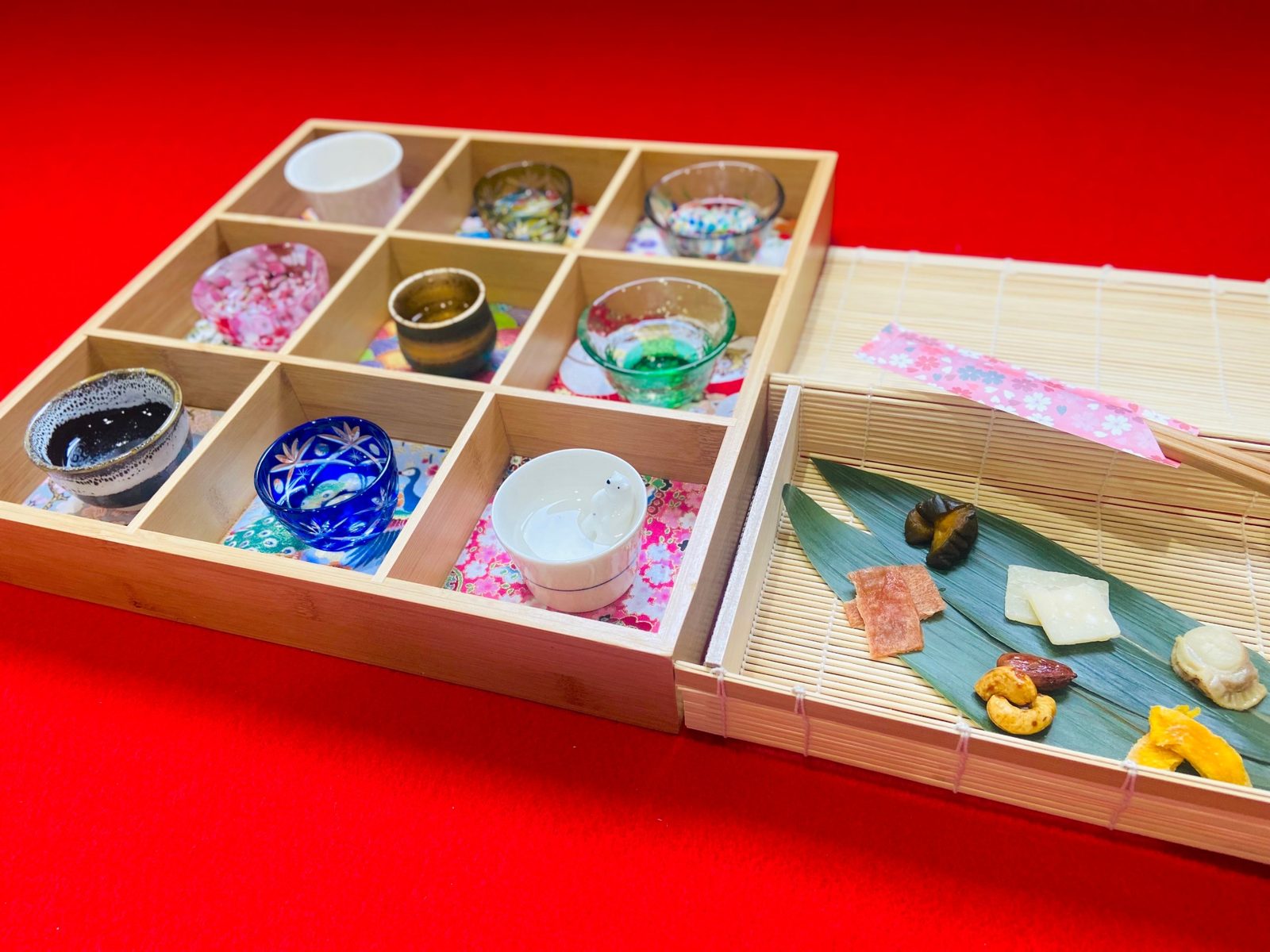
A tasting tray beside snacks arranged on a bamboo leaf

KOJI

The mould that makes sake possible

Rice has no sugar for yeast to work on, so sake needs a step that beer and wine do not: koji, a mould grown over steamed rice that converts starch into sugar while the yeast ferments alongside it. It is the same organism behind miso and soy sauce. We pass koji rice around at every session, because tasting it sweet and chestnut-like explains more than any diagram.

Taste the difference for yourself

Booking Now
Booking Now WhatsApp